A haircut is part of the colour design, not simply the service that follows it. Removing length may remove the brightest sections. Shorter layers may reveal a darker interior or bring a light ribbon closer to the face. Before discussing a fashionable shape, describe how you wear your hair most days, how much time you spend styling it and which parts of your current cut feel difficult. Those details make a reference image far more useful.
Separate density from strand thickness
Fine describes the diameter of an individual strand; low density describes fewer hairs across an area of scalp. They can occur together, but they are not the same thing. Fine, dense hair may behave differently from coarse, lower-density hair. A heavily layered inspiration image can look full because of styling, extensions or naturally high density. Ask whether the proposed layering will preserve enough weight through your own perimeter, especially if your ends already appear sparse.
A blunt outline often gives a stronger impression of fullness, while internal layering can redistribute bulk and encourage movement. Neither is automatically better. Long layers can release some weight without creating a short crown, whereas shorter layers make a more obvious change in silhouette. Discuss the shortest visible section and where it will land when dry. Names such as shag, butterfly cut and long bob do not communicate those details consistently between salons.
Begin with your natural behaviour
Lines and placement remain easy to see. Ask how the cut looks without a wave added.
Weight and drying method can alter the bend. Consider your ordinary wash-day result.
Different curl groups may shrink differently. Assess the outline after the hair settles.
Compare natural and stretched length when discussing shape, access and maintenance.
Straight hair often exposes strong colour boundaries, so subtle transitions and carefully considered face framing can be useful. Wavy hair may reveal lighter pieces at the crest of each bend, but the pattern can change after brushing or sleeping. On both textures, a consultation should include your usual finish. A heavily tonged salon photograph may show movement that will not appear when the same cut is left to dry naturally.
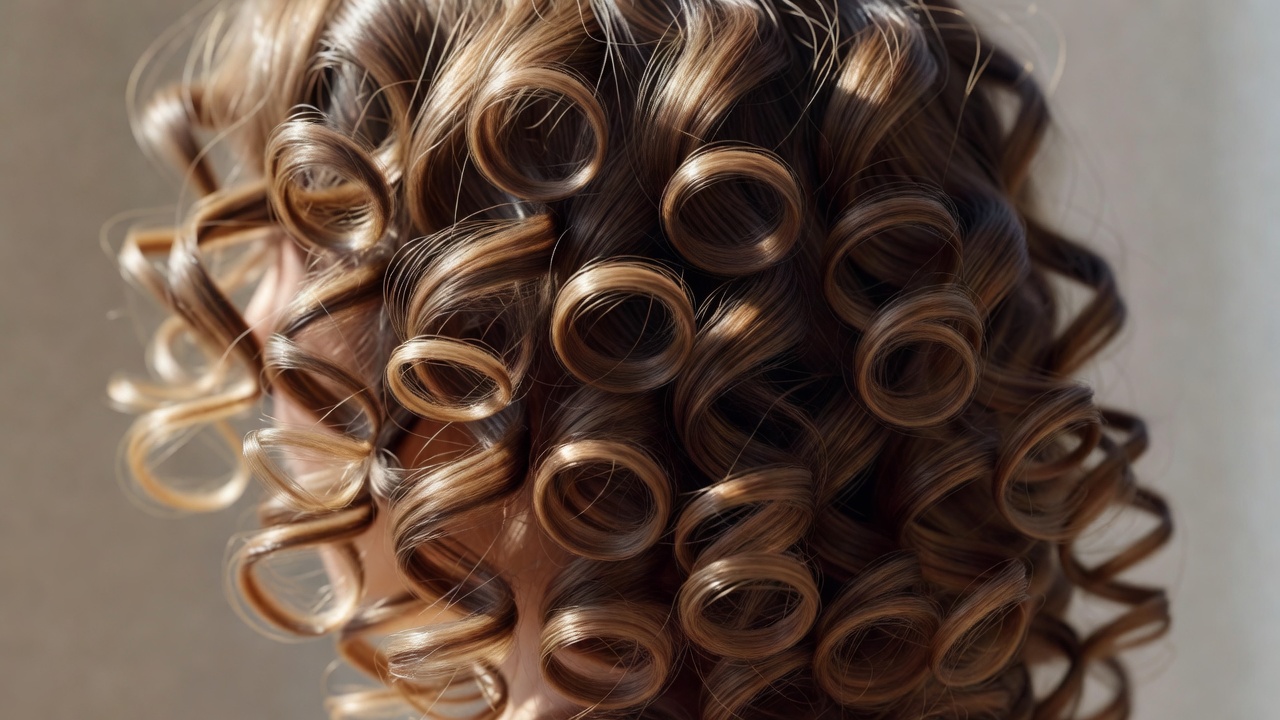
Curly and coily hair need assessment beyond a numbered pattern chart. Shrinkage, density, strand diameter, porosity and variation across the head all matter. The stylist may consider how complete curl groups sit, whether you wear a stretched finish and how colour will appear through the outer shape. Dry cutting can help reveal some patterns, while wet cutting may support other goals. There is no single method that is automatically correct for every curl or coil.
Coordinate the cut and the lightness
If you plan a substantial haircut, tell the colourist before placement begins. The team may establish the main shape first, then refine the cut after colour; the order depends on the service. Face-framing layers can change the position and visibility of bright front sections. A fringe may need a different approach from longer pieces around the face, particularly if it is frequently heat styled or has existing damage. Ask what happens when the hair is tucked behind your ears.
Existing fragile ends may limit both the lightening plan and the amount of weight a cut can retain. Cutting away damage can improve the outline, but it cannot make the remaining hair immune to future breakage. Be direct about your priorities: keeping length, increasing fullness, reducing bulk or changing the silhouette. If those goals compete, ask the stylist to explain the trade-off rather than agreeing to a cut whose daily behaviour you do not understand.
Make the styling plan repeatable
For a smoother finish, work gently through detangling and avoid repeated high-heat passes over the same section. For waves or curls, distribute styling products evenly and allow the pattern to settle before judging the cut. A diffuser may support definition for some routines; it is not compulsory. Heat protectants can reduce some heat-related damage when used as directed, but they do not eliminate risk. Ask for a demonstration that uses tools and time you genuinely have.
Take a photograph of the finished shape from the front, side and back if the salon agrees. Note your parting and the way the hair was dried, not just the products used. At home, give the cut a few ordinary styling cycles before deciding which details need adjustment, unless there is an immediate problem. A clear follow-up conversation is more useful than trying to recreate a finish designed for a different texture.